Published by Kiddopia Team

 Ages 2–7 · Educational · Learning
Published by Kiddopia Team
Ages 2–7 · Educational · Learning
Ages 2–7 · Educational · Learning
Published by Kiddopia Team
Ages 2–7 · Educational · Learning
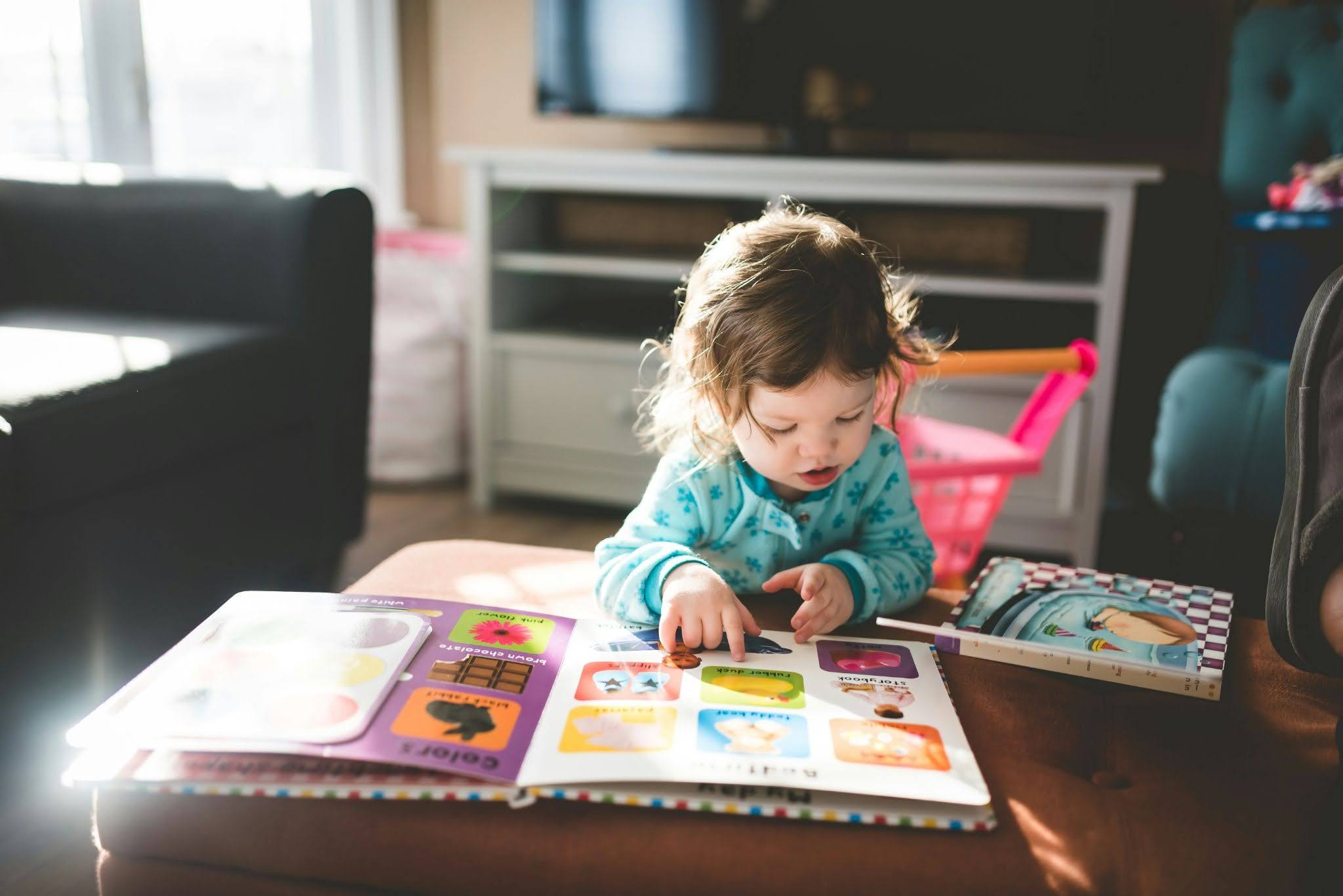
Picture a normal bedtime story. Halfway through, your child points at a word and reads "the" on their own. They don't sound it out or check the picture first. It's one tiny word, but you'll probably want to throw it a small parade.
Words like "the" are called sight words. They're short, they're common, and kids who know them by heart have a much easier time learning to read. Below, you'll find a comprehensive list of sight words for kindergarten, plus a few ways (that won't make anyone groan) to practice at home.
Sight words are words kids learn to recognize on sight, without decoding each letter. A lot of them break the usual phonics rules. Try sounding out "said" or "was," and you'll see why. Others, like "and" or "it," are easy to sound out, but they show up so often that reading them automatically saves your child a lot of work.
A big share of the words in a typical children's book comes from a short list of high-frequency words. When your child knows those well, they can put their energy into the new, harder words on the page.
Kindergarten is usually when kids go from knowing their letters to reading short sentences. Kindergarten sight words help with that jump. Once a child knows "I," "see," "the," and "a," they can read "I see the cat" by themselves, and they tend to be very proud of it.
Many kids start kindergarten already knowing a few of the easiest words. Teachers usually add a few dozen more during the year. Kids learn these at different speeds, so use the list below as a guide rather than a checklist.
The best-known collection is the Dolch list, put together by educator Edward William Dolch. The Dolch sight words kindergarten teachers use most are normally split into two groups.
The pre-primer list has 40 words, and it's a good place to begin: a, and, away, big, blue, can, come, down, find, for, funny, go, help, here, I, in, is, it, jump, little, look, make, me, my, not, one, play, red, run, said, see, the, three, to, two, up, we, where, yellow, and you.
The primer list adds 52 words. Most kids move on to these once the first group feels easy: all, am, are, at, ate, be, black, brown, but, came, did, do, eat, four, get, good, have, he, into, like, must, new, no, now, on, our, out, please, pretty, ran, ride, saw, say, she, so, soon, that, there, they, this, too, under, want, was, well, went, what, white, who, will, with, and yes. That's 92 sight words for kindergarten in total!
When you're working out how to teach sight words at home, repetition matters most, as long as it doesn't feel like repetition to your child. Flashcards are fine for a few minutes, and then kids get bored of them. Ah, but games hold their attention much longer.
A sight word hunt is easy to set up. Write words on sticky notes and hide them around the house. Your child reads each one out loud when they find it. At bedtime, switch off the lights and hand them a flashlight for the search.
Kids with extra energy usually love sight word swat. Write one word on each paper plate and spread the plates across the floor. Call out a word, and your child swats the right plate with a fly swatter. Expect some noise, and maybe a paper plate or two that doesn't make it.
Hands-on practice works well too. Kids can spell words with magnetic letters, write them in shaving cream on the side of the tub, or shape them from playdough. Point out sight words for kindergarten if you see them when you’re out and about: on street signs, menus, and such.
In Kiddopia, Lingo Land starts with letters and sounds and builds up to words and sentences. Along the way, kids work with short vowels, rhyming words, and sight words, and it feels more like an adventure than homework.
Stories help as well. Our tiny corner of video storybooks, VOOKS, turns stories into animated read-alongs with narration and sound, including stories about sports, science, and a little boy having a bad day. Now and then, pause and ask your child to find a word they know, like "the," "and," or "is." Spotting kindergarten sight words in a real story helps kids see why these words matter.
Five to ten minutes of practice a day is enough. Stop before your child gets frustrated, and make a fuss over each new word. A high five or a sticker on a chart works well for most kids.
Keep reading together every day, too. The more books your child sees, the more often they'll bump into the same sight words for kindergarten, and the quicker those words will stick.
And when your child reads "the" out loud for the first time, go ahead and have that parade. They've earned it.


Works for both iOS & Android
via smart one-link redirect