Published by Kiddopia Team

 Ages 2–7 · Educational · Learning
Published by Kiddopia Team
Ages 2–7 · Educational · Learning
Ages 2–7 · Educational · Learning
Published by Kiddopia Team
Ages 2–7 · Educational · Learning

Developing social skills is an important aspect of early childhood. This is because when your child grows up, these skills make it easier for them to build friendships, work in teams, express their ideas confidently, and navigate the world with empathy and understanding.
One of the most interesting ways in which you can encourage social skills in your child is through parallel play. In this blog, we’ll understand what parallel play means, why it’s such an important stage in your child’s social and emotional growth, and how you can encourage it at home. You’ll also find simple and practical activity ideas — especially for children aged 2–7 — that make the development of social skills fun and easy.
Plan a playdate with another kid of your child’s age. Ensure both children have similar toys or are engaged in the same activities. These can be building blocks, painting, or playing an online educational game, but on separate tablets. This is called parallel play.
At first glance, it may look like they’re just playing by themselves, in the same space. But, in reality, they’re actually learning how to be around others, be creative with new ideas, and build the confidence they need before they fully engage in group play.
Parallel play is often recommended for toddlers between the ages of 2 and 3. This is because this is the age when they become more aware of their peers and their surroundings. Parallel play helps young minds develop a firm foundation for their communication and emotional regulation skills.
At this stage, your child:
One thing you need to remember is that social development is not a race. Your kid might take their own time to engage in parallel play, depending on the exposure and opportunities they might have to interact with their peers.
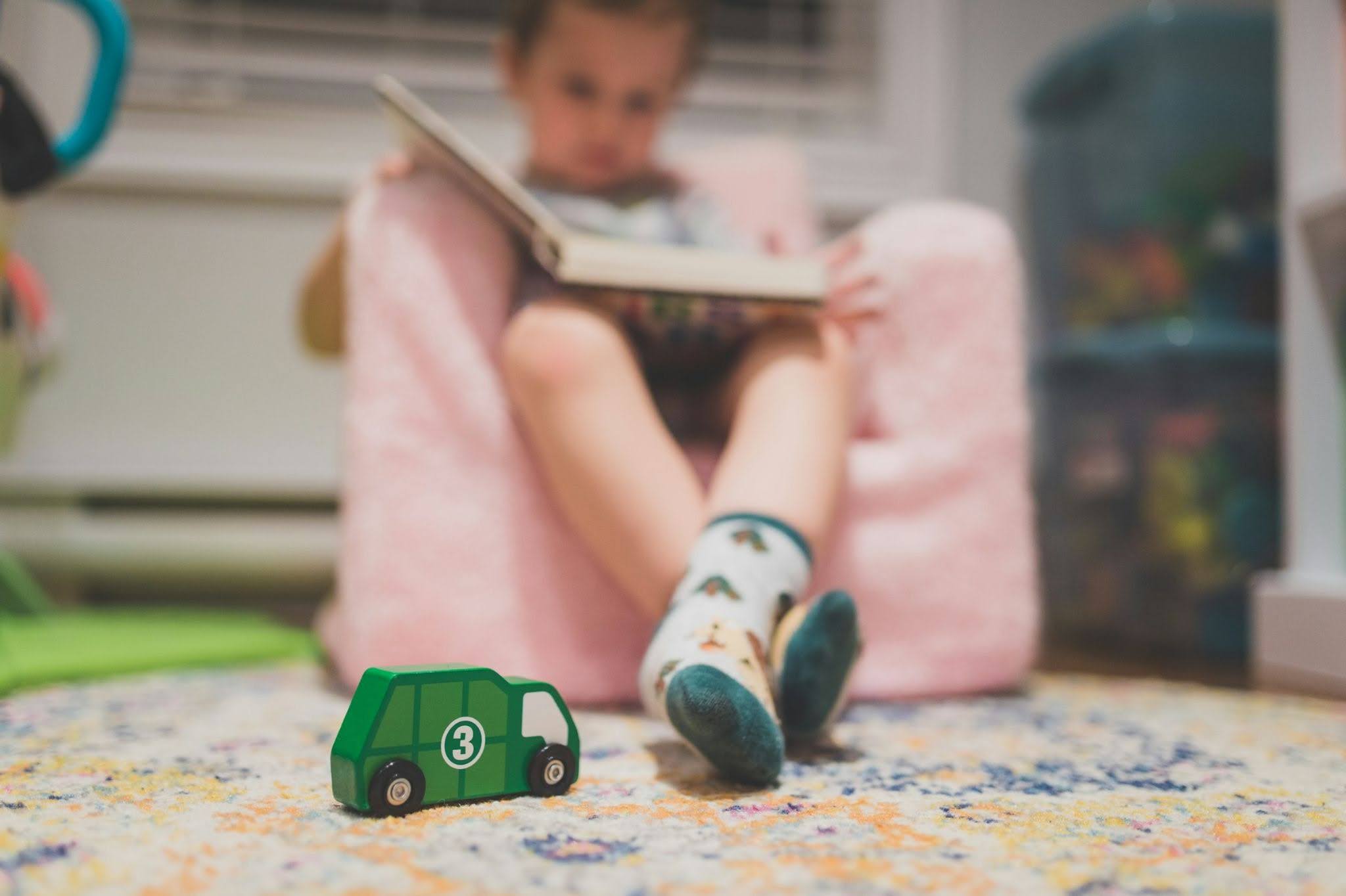
Even when you don’t initiate it yourself, there will be instances where you’ll find your toddler engaging in parallel play on their own. Here are some clear and relatable examples you may notice at home, in the park, or during playdates:
In each of these situations, the children are in proximity to each other. They may also observe and then imitate each other.


Why Is Parallel Play So Important For Kids?
Now that we’ve covered what parallel play is, it’s also essential for you to note how it can make a difference to your child’s growth. The following are some of the long-term benefits of parallel play that you definitely shouldn’t miss out on:
Before your child learns about teamwork, they need to feel comfortable and safe around their peers. That's what parallel play helps them with. It creates a space where your child can explore and engage gradually, at their own pace, without any pressure.
They start to feel safe around others, and that comfort becomes the foundation of their future friendships.
Children between the ages of 2 and 7 are incredible observers. During parallel play, they watch how others are stacking blocks, mixing colors, or solving small challenges. This often sparks curiosity among them, and they might eventually try out those ideas. This not only strengthens their problem-solving skills but also enables cognitive flexibility.
You must have noticed multiple times that toddlers tend to pick up phrases quickly. When they hear new words, they try to use them instantly. While engaging in parallel play, they learn to understand verbal and non-verbal cues. Over time, this exposure enhances their vocabulary and communication skills.
Naturally, sharing space requires patience. During parallel play, your child practices focusing on their own task while managing distractions around them. They also learn to cope with small frustrations independently. These early self-regulation skills can help them learn how to adapt to their surroundings when they start attending school.
You must think of parallel play as a bridge. This is where kids move from solitary play to parallel play and eventually to cooperative play (where they share a common goal).
Without the middle stage, which is parallel play, future situations where teamwork, collaboration, and group participation are a necessity can feel overwhelming to them.
In the next section, let’s explore simple and practical activity ideas you can use at home to gently encourage parallel play in ways that feel natural and enjoyable to your child.
You can initiate parallel play at home. By setting up the right environment and offering similar materials, you can naturally create opportunities for your child to engage in parallel play.
To start with, try the following ideas:
Place two small baskets of blocks next to each other. Children can build them separately and watch what the other is creating. This is one of the easiest parallel play activities to do at home.
Set up crayons, markers, or paint at the same table. Each child gets their own supplies, but they sit close enough to observe each other’s ideas, and then work on their own artwork.
If you have a play kitchen or pretend food toys, give each child similar items. They can cook their own meals and enjoy pretend kitchen play side by side.
This activity strengthens imagination while naturally encouraging parallel play.
While pretend kitchen play is a great option for parallel play, children can also try our game, Junior Chef’s Café. In this game, kids get to run their own kitchen and cook up yummy recipes — from birthday cakes to pizzas and snacks.
Offer different puzzles of similar difficulty to each child. Sitting together but solving their own individual puzzles is another great example of parallel play.
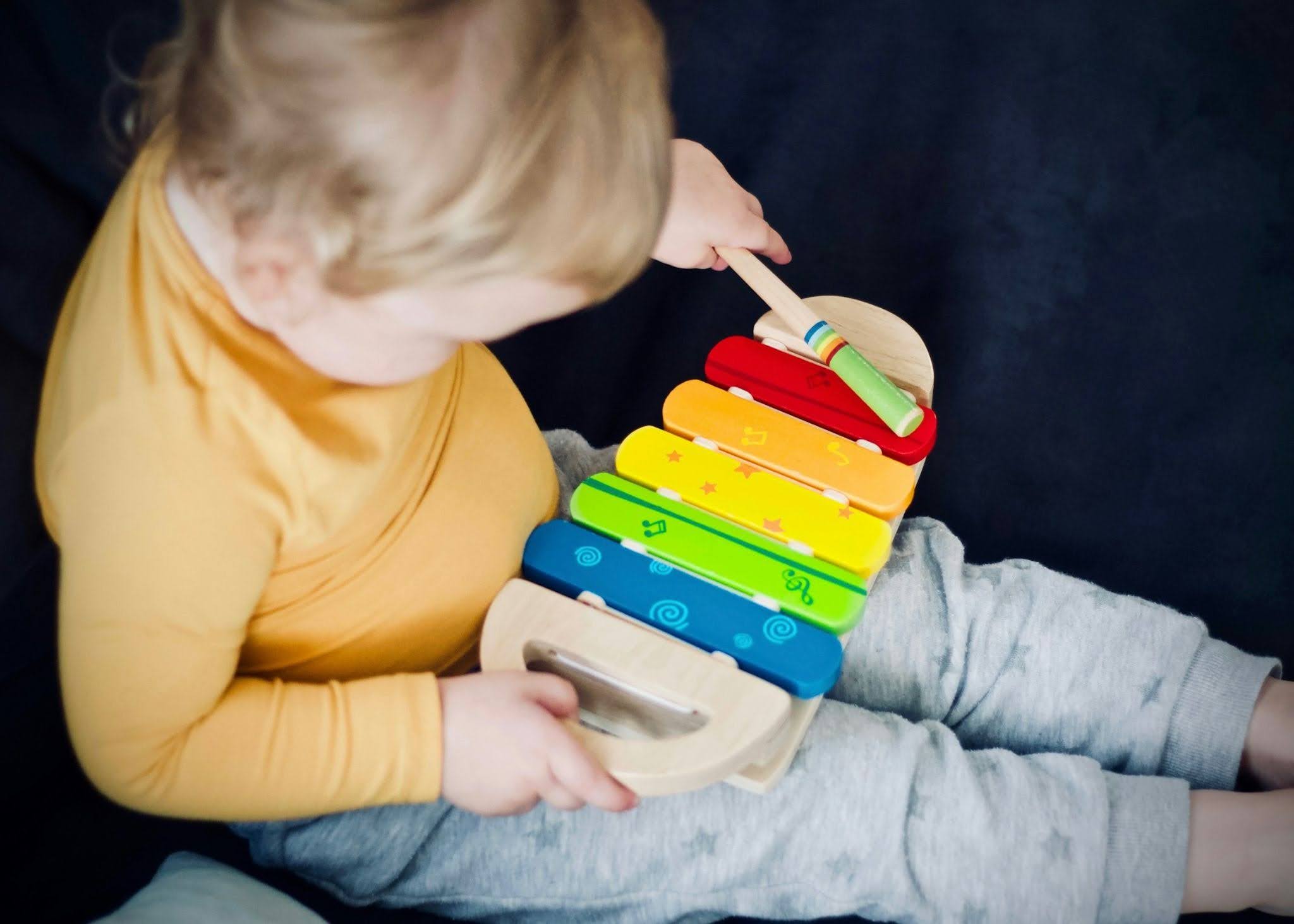
Beyond these activities, our game, Music Time, is a wonderful way to bring parallel play into the digital space. With Music Time, kids enjoy music and rhythm side by side, each in their own little world. This is where your child can explore instruments like the guitar, piano, drums, and xylophone online.
Even when on a playdate, kids can sit side by side on their separate devices and try out nursery rhymes or create their own tunes!
In early childhood, engaging in parallel play can help build strong foundations of social and emotional skills.
Children may not work in teams or share common goals through these activities, but they’re silently learning how to be in a social setting and adapt to it. This not only helps them build strong relationships but also helps them mindfully regulate their emotions.
The next time you see two kids sitting together, doing their own thing, encourage it.


Works for both iOS & Android
via smart one-link redirect